Me In Math

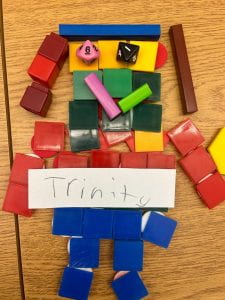
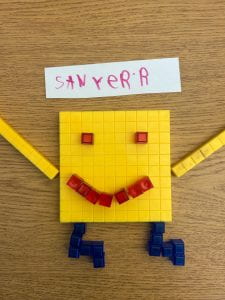
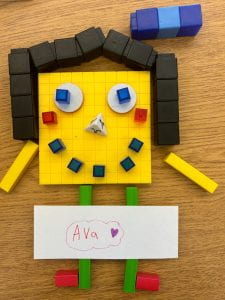
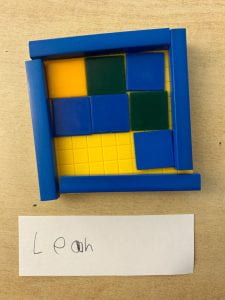
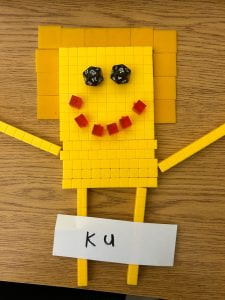
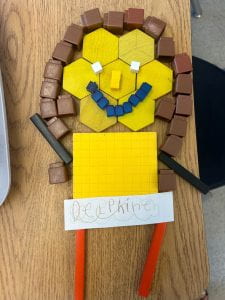
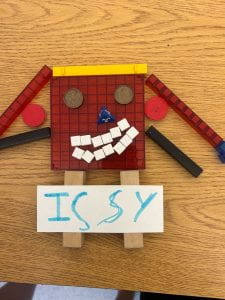
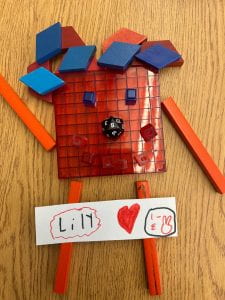
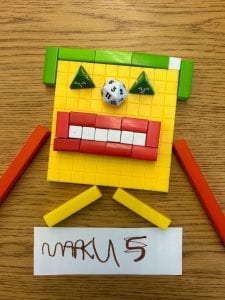
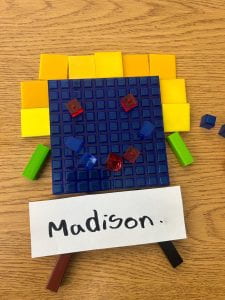
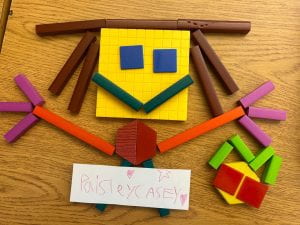
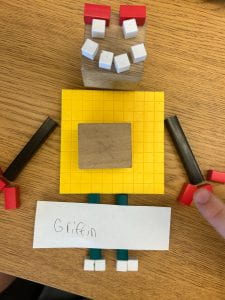
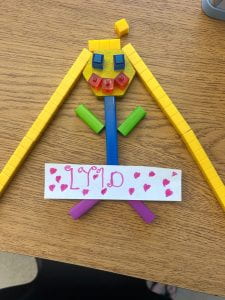
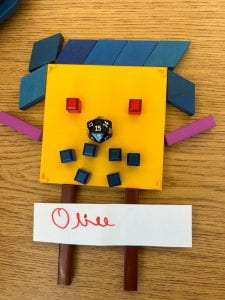
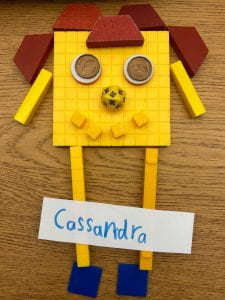
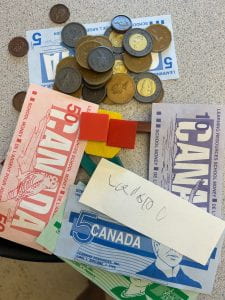
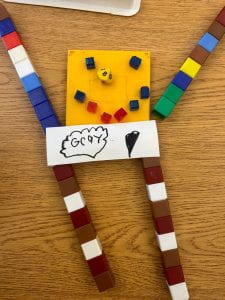
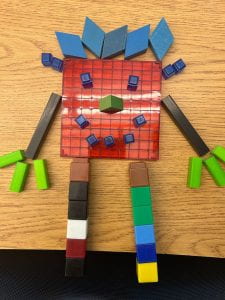
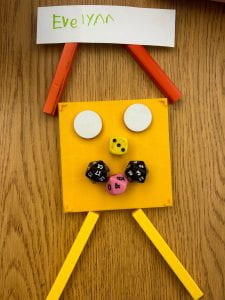
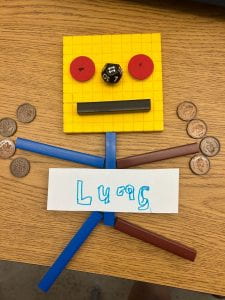
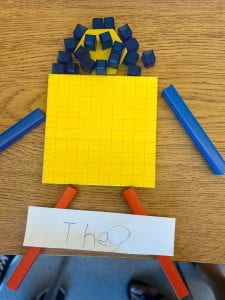
As our journey into math began this year, students completed a fun activity to help reacquaint themselves with the various math manipulatives within the classroom. It was also a time to remember that math can be fun and creative! Here are the characters students created:

Probability and Graphs

We had a very energetic math lesson today! We started out with a look at a probability line and discussing the meaning of these probability words:

impossible, unlikely, equally likely, likely, certain

Students debated the likelihood of various scenarios to demonstrate their understanding of each probability word. Oral language skills were put to good use as students argued their points of view.

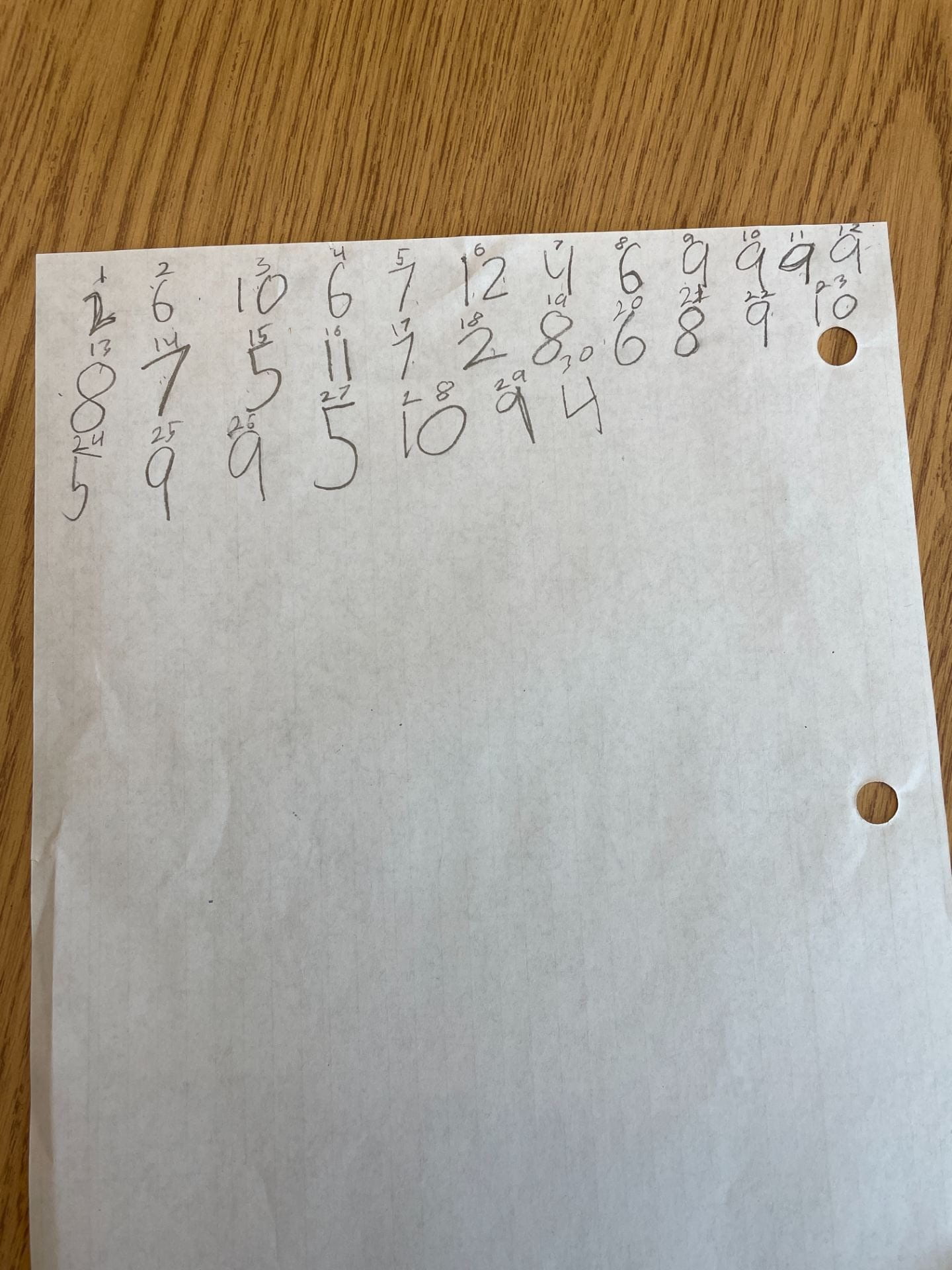
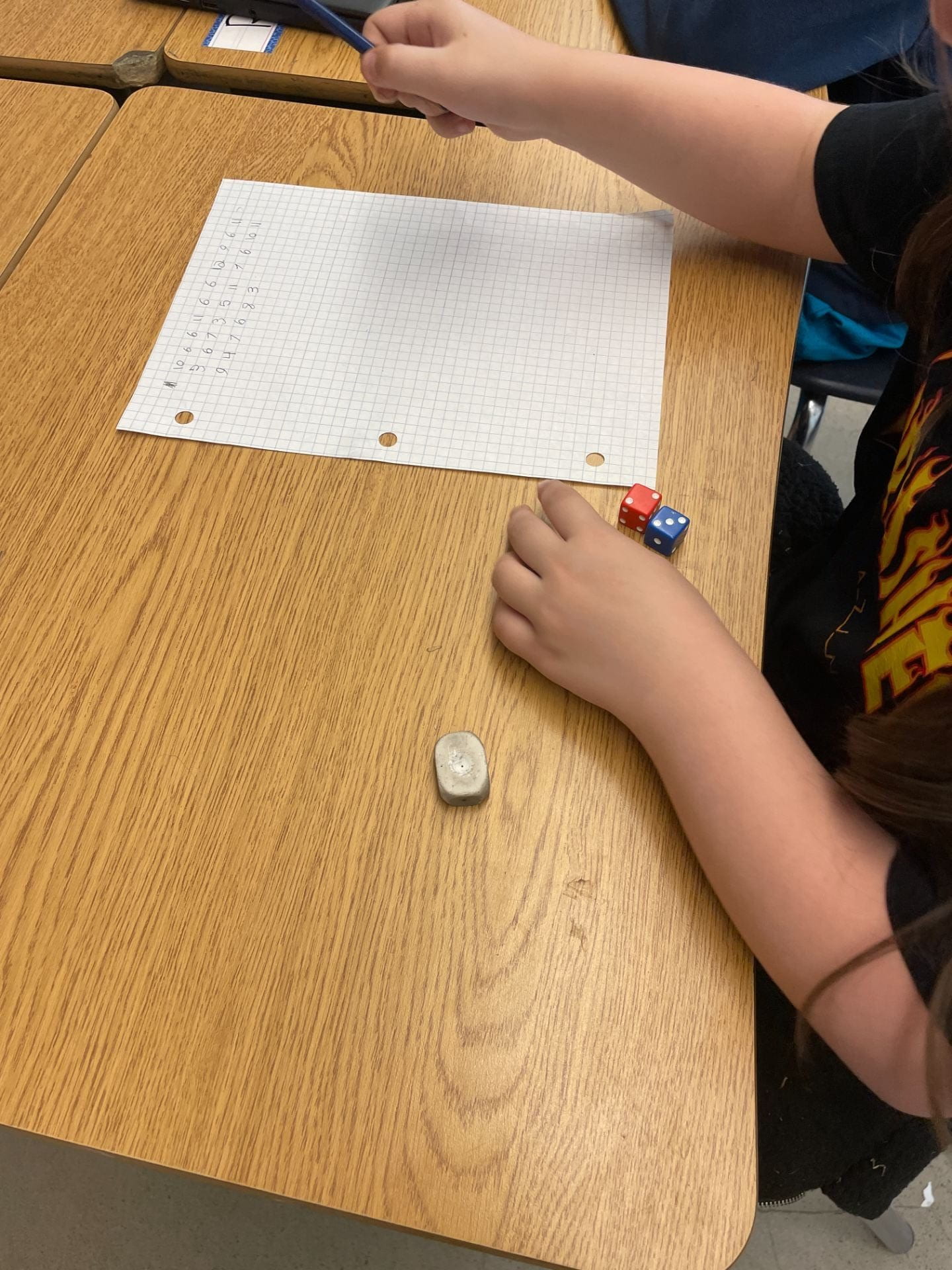
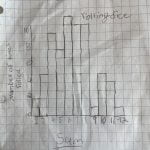
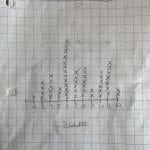
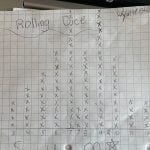
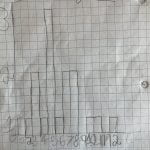
Then, students were given the task of rolling 2 dice 30 times and recording the sum. They worked in pairs to collect their data.
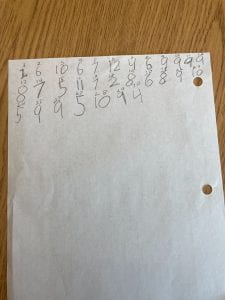
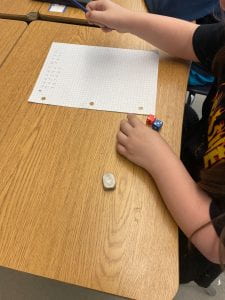
 

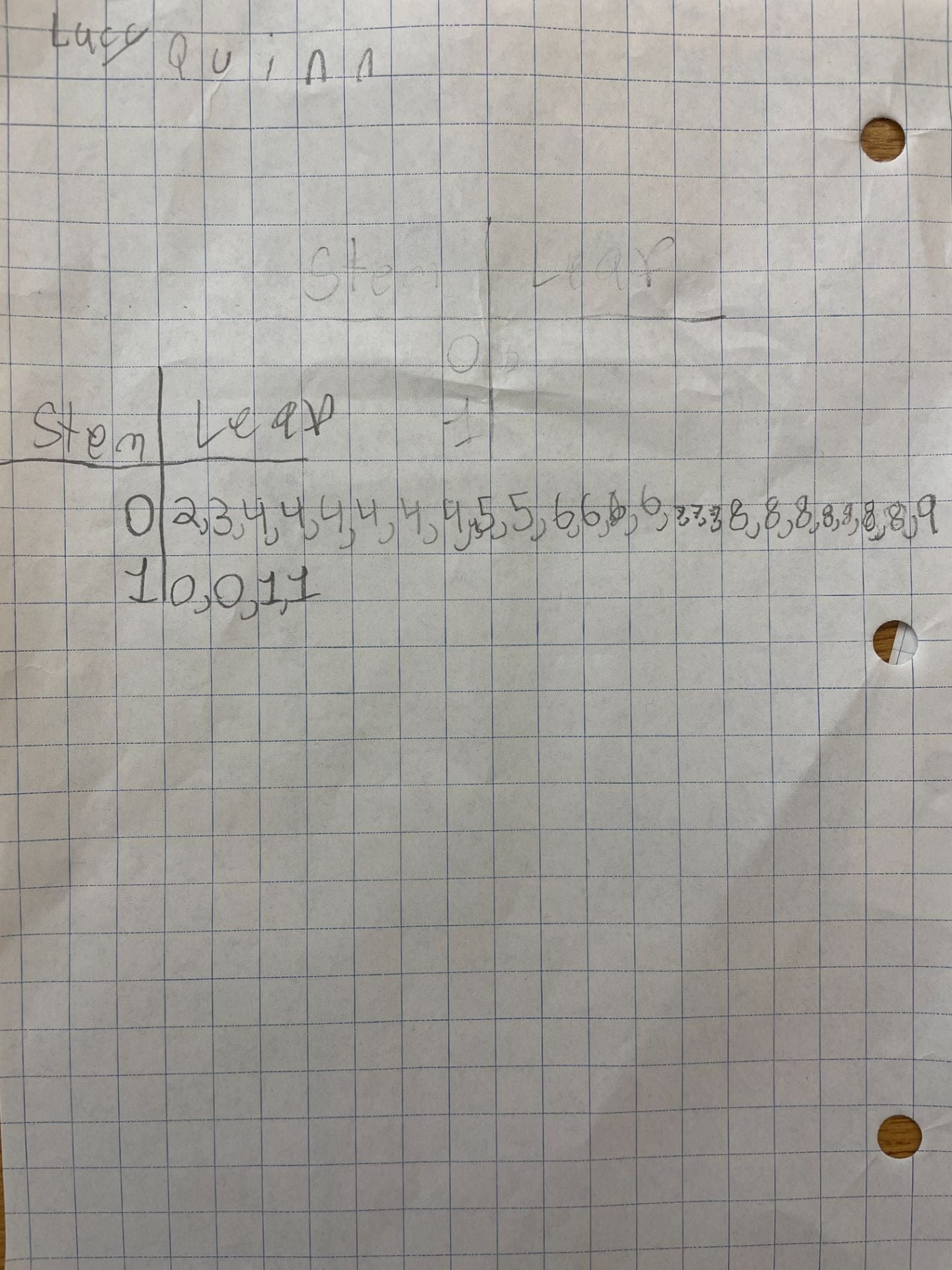
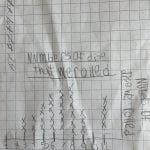
The next task was to choose an appropriate graph to display their data.  Some students chose to create a stem and leaf plot with the reasoning that it was quick and easy to do.
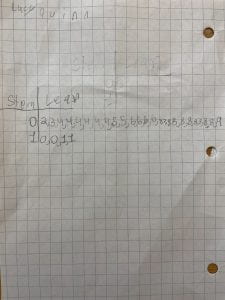
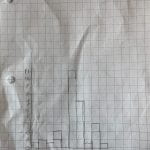
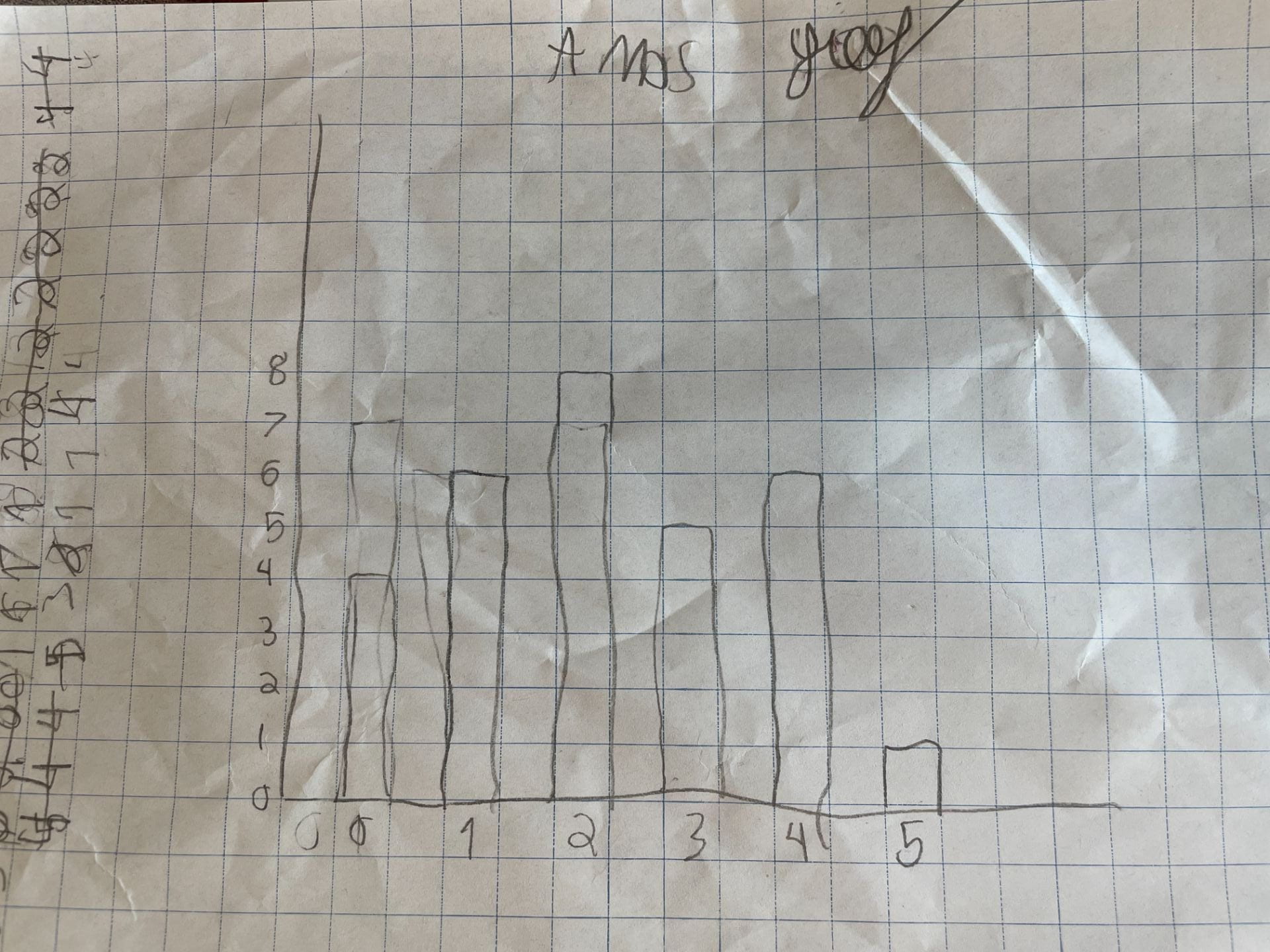
But then, our discussion lead to the conclusion that this was not the best way to display the data as it was difficult to answer questions about the data. Students concluded that a bar graph or a line plot were better choices.

We discussed the similarities in the shape of the data and discovered that the sum of 6 has the greatest chance and the sum of 2 and 12 have the least chance.  We created a frequency chart as we investigated the possible dice combinations and students made observations about patterns! It was a very rich discussion!

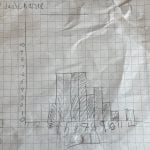
Lastly, as one group had mistakenly recorded differences instead of sums, we turned the mistake into a learning opportunity and we compared their graph to the rest only to discover a similar shape in data!
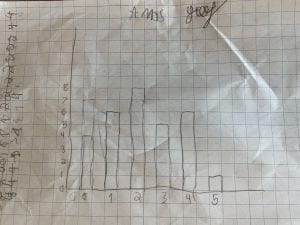
It was an extremely fun, learning inquiry in math today!
Equal Groups Challenge

Today, students were challenged to think about breaking numbers apart into equal groups.

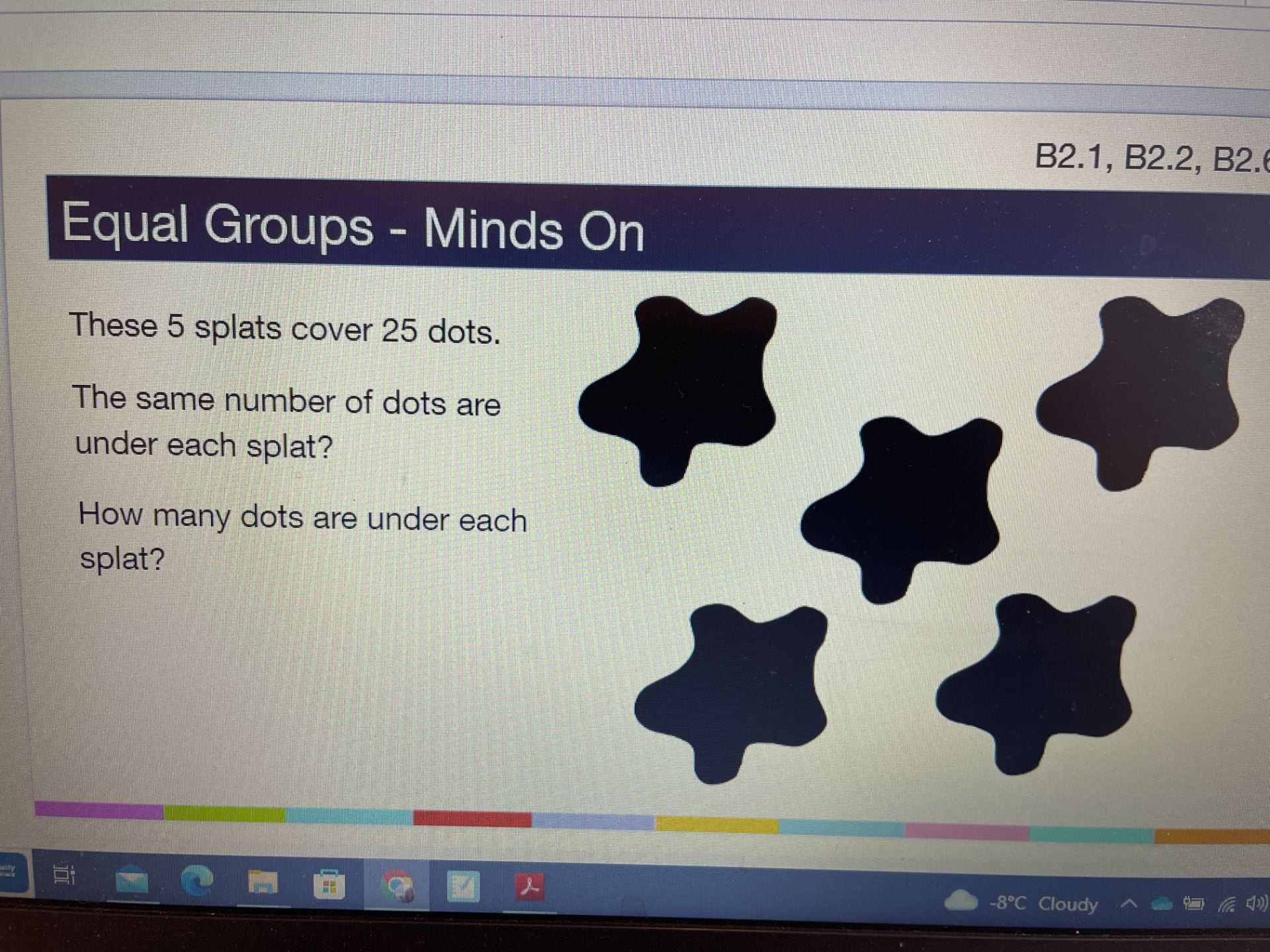
The first question they were presented with was a Minds On question:

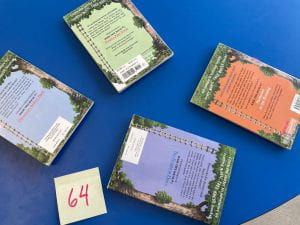
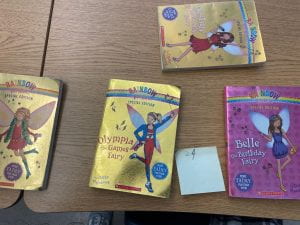
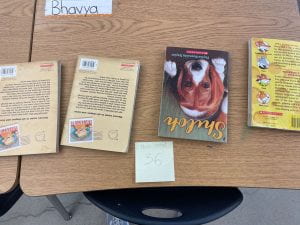
Then it was time for the challenge! Students chose a number of counters. Then they split their counters into 4 equal groups and covered the groups. The total number of counters was displayed on a sticky. Students then moved around the room, trying to figure out the number of counters of each book.
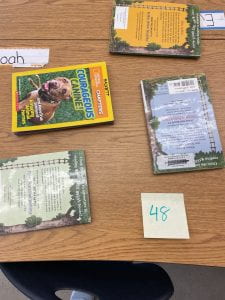
The next step:  Students will change the number of equal groups they make, exploring a greater number of multiplication equations.


A Fun Way To Practise Multiplication Facts

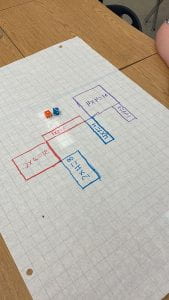
As we learn to model multiplication in many ways and begin to build recall of multiplication facts we have learned a new game: Block-Out!

All you need is a piece of grid paper, 2 dice, and a coloured marker for each player.

Take turns rolling the dice. Then draw a block on the grid paper using the numbers of the dice. For example, if you roll a 2 and a 5 then draw a 2×5 rectangle. Write the corresponding multiplication sentence in the middle. The rectangle you draw must touch another block that has already been drawn. If there is not a space left for you to draw your rectangle you are out. The winner is the last person to draw a rectangle and write the correct multiplication sentence.

Math Workshop: Linear Measurement

As we worked through our Linear Measurement unit, here are some of the workshop activities students engaged in.

Game: Tour The Islands

Cooperative Measuring:

Choosing A Path:

Paper and Pencil Task:

Snakes on the Table and Measuring the Room:

Solving Addition and Subtraction Problems

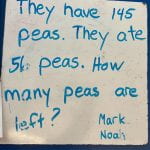
This task was presented for the first time to our grade 3’s.  Students wrote their problems on white boards and then recorded solutions and answer sentences on small paper to place under the boards. Then, they had the opportunity to visit each other’s boards and solve the problems. They then self-checked the answers. There was a lot of dialogue going on reading, explaining, and debating!

Students came up with problems that required a variety of skills: adding, subtracting, dividing.

Our follow-up discussion revealed a need to practise understanding problems, asking ourselves, “What is is happening? What is the action?’ We also learned that we have to identify distracting information!

Describing and Building with 3D Objects

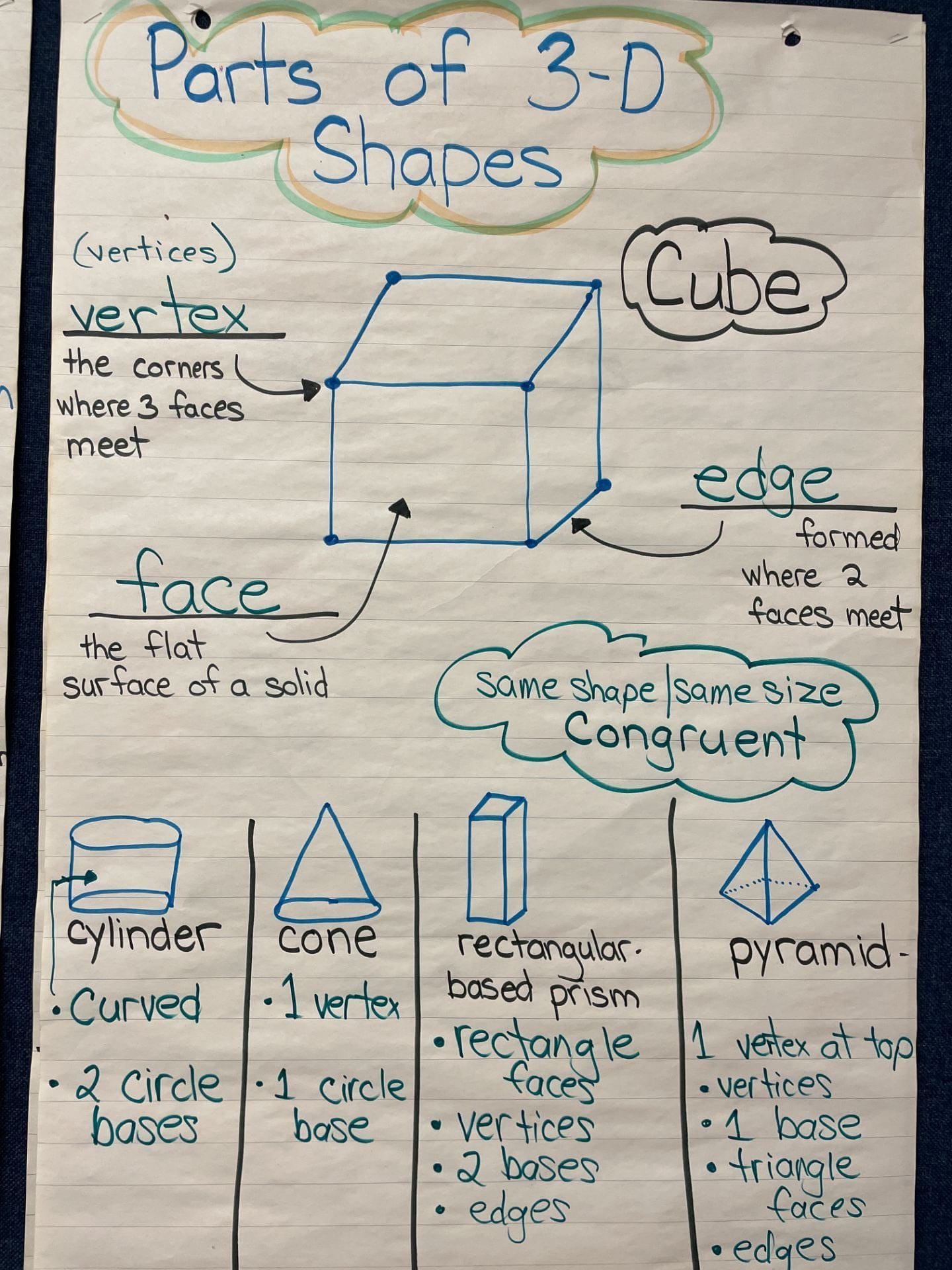
Learning to identify figures and describe the properties of 3D figures has been the focus of our math unit on geometry. Students first examined the shapes and learned appropriate vocabulary to use when describing them.

Then, they worked collaboratively to build a neighbourhood using their choice of 3D figures. Pictures were taken and students worked independently to describe their creations using the geometric vocabulary.


Base Ten Creations

Today, the grade 3’s used some creativity to represent, compose, and decompose numbers.

Their task was to choose a number between 200 and 1000. Then create a design using base ten blocks that represent their number.  Students reviewed what they knew about numerals, place value charts, and expanded form to record their number.